
San Diego Ranchers Oppose Beef Tariff Pause, Cite Industry Consolidation Concerns
San Diego cattle ranchers are pushing back against President Trump's recent decision to pause tariffs on beef imports. Ranchers argue this move undermines their business and that the focus should instead be on investigating consolidation within the meat processing industry.
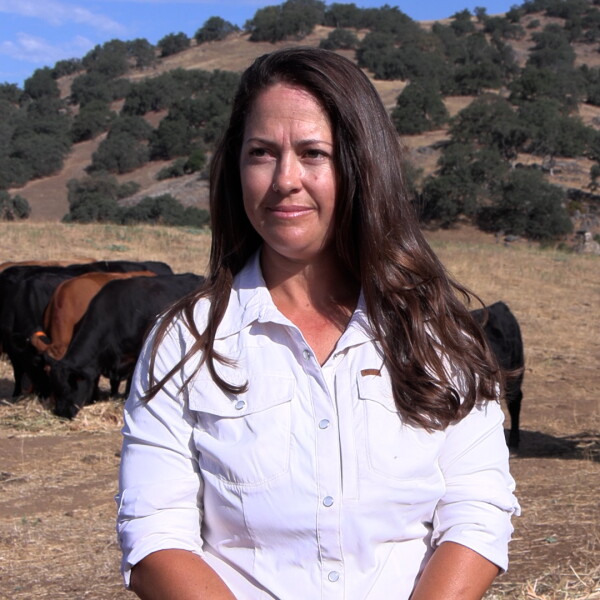
 San Diego, CA, August 28, 2026 — San Diego cattle ranchers have voiced strong opposition to the recent decision by President Trump to pause tariffs on beef imports. The ranchers contend that this policy shift negatively impacts their domestic operations and diverts attention from what they perceive as more pressing issues within the agricultural sector.
According to industry representatives in San Diego, the pause on beef import tariffs undermines the efforts of local cattle producers. They argue that such measures were intended to level the playing field for American farmers and ranchers, and that removing them could lead to increased competition from foreign-produced beef, potentially depressing domestic market prices. The specific economic implications for San Diego ranchers were not detailed, nor were the exact dates of the tariff pause or the previous tariff rates.
Beyond the immediate effects of the tariff policy, the ranchers are also calling for a renewed focus on the structure of the meat processing industry. A central argument being made is that consolidation among major meat processors has created significant market power imbalances. Ranchers argue that a lack of competition at the processing level limits their ability to negotiate fair prices for their livestock, regardless of import tariff policies. This alleged consolidation, they believe, is a more fundamental threat to the sustainability of their businesses than fluctuating import tariffs.
The specific companies involved in this alleged industry consolidation were not named in the provided information. Similarly, the timeline for any potential investigation into meat processing industry consolidation or the specific actions ranchers are taking to voice their concerns, beyond general opposition, were not detailed. The ranchers’ pushback highlights a complex debate involving trade policy, domestic agriculture, and the structure of the U.S. food supply chain.
Story summarized from the original created by Alexander Nguyen on www.kpbs.org, see more information here.
Media gallery

