
U.S. Imposes New Tariffs on Imports from 60 Countries Over Forced Labor Concerns
President Trump is implementing new double-digit tariffs, ranging from 10% to 12.5%, on imports from 60 countries. These tariffs are being imposed due to concerns that these countries have not adequately enforced bans on goods produced by forced labor. The…
 San Diego, CA, July 24, 2026 —
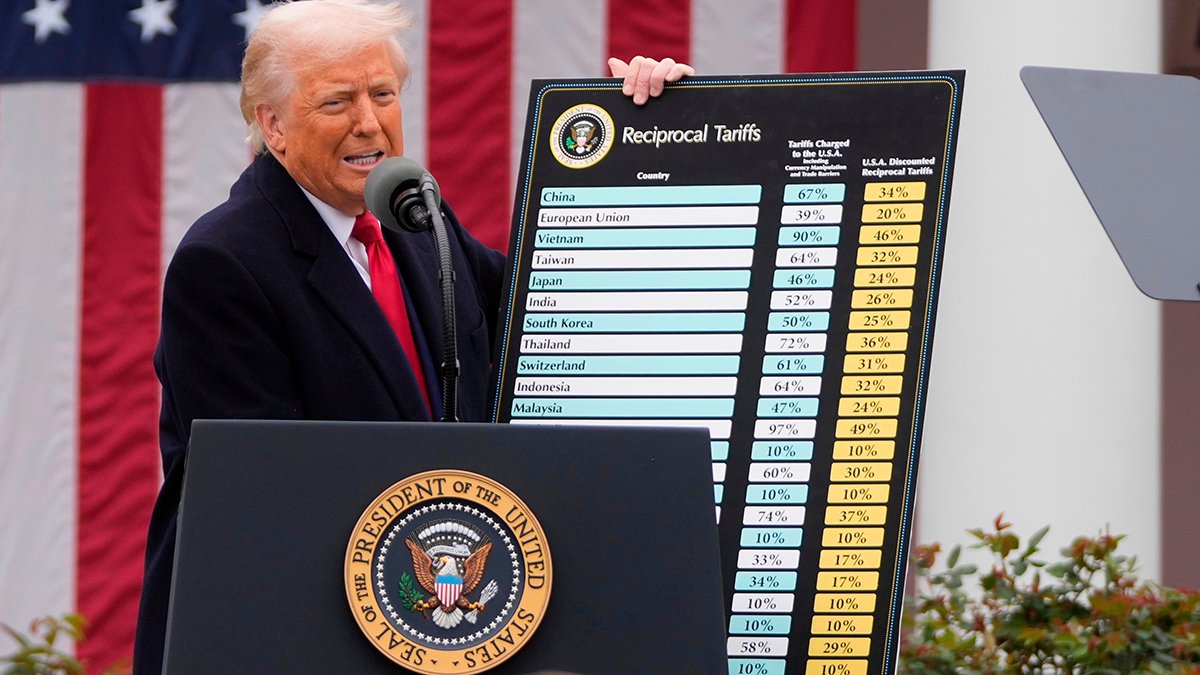
The United States is set to implement new double-digit tariffs on imports from approximately 60 countries, with rates ranging from 10% to 12.5%. The move, spearheaded by President Trump, is a direct response to concerns that these nations have not sufficiently enforced bans on goods produced using forced labor.
These new levies are scheduled to take effect as temporary tariffs, previously enacted following a Supreme Court ruling, reach their expiration. The administration is leveraging Section 301 of the Trade Act of 1974, a provision that empowers the U.S. to impose import taxes and sanctions on countries deemed to be engaging in discriminatory trade practices.
While the tariff measure includes exemptions for certain essential goods, such as oil, gas, and fertilizer, there is potential for the new tariffs to impact consumer prices. The administration’s stated goal is to increase pressure on countries to adhere to international labor standards and eliminate forced labor from supply chains.
Experts have offered varied perspectives on the potential efficacy of these tariffs in addressing the issue of forced labor. Some analysts commend the administration for bringing greater attention to the persistent problem of forced labor in global trade. However, other experts have voiced reservations, citing concerns about the practicalities of enforcement and the overall implementation strategy of the new trade measures.
The specific list of countries affected and the full scope of goods subject to the tariffs have not been detailed. Further information regarding the enforcement mechanisms and the anticipated economic impacts is expected as the tariffs approach their implementation date.
Story summarized from the original created by Paul Wiseman and Mae Anderson | The Associated Press on www.nbcsandiego.com, see more information here.
Media gallery

