Intermountain Health Experts Explain ACOG Guidelines for Immunizations for Pregnant Women
New immunizations guidelines for pregnant women help protect moms and babies from common preventable diseases The post
Press Release Disclaimer: This is a press release distributed through the XPR Media network. It has not been independently verified by our newsroom.
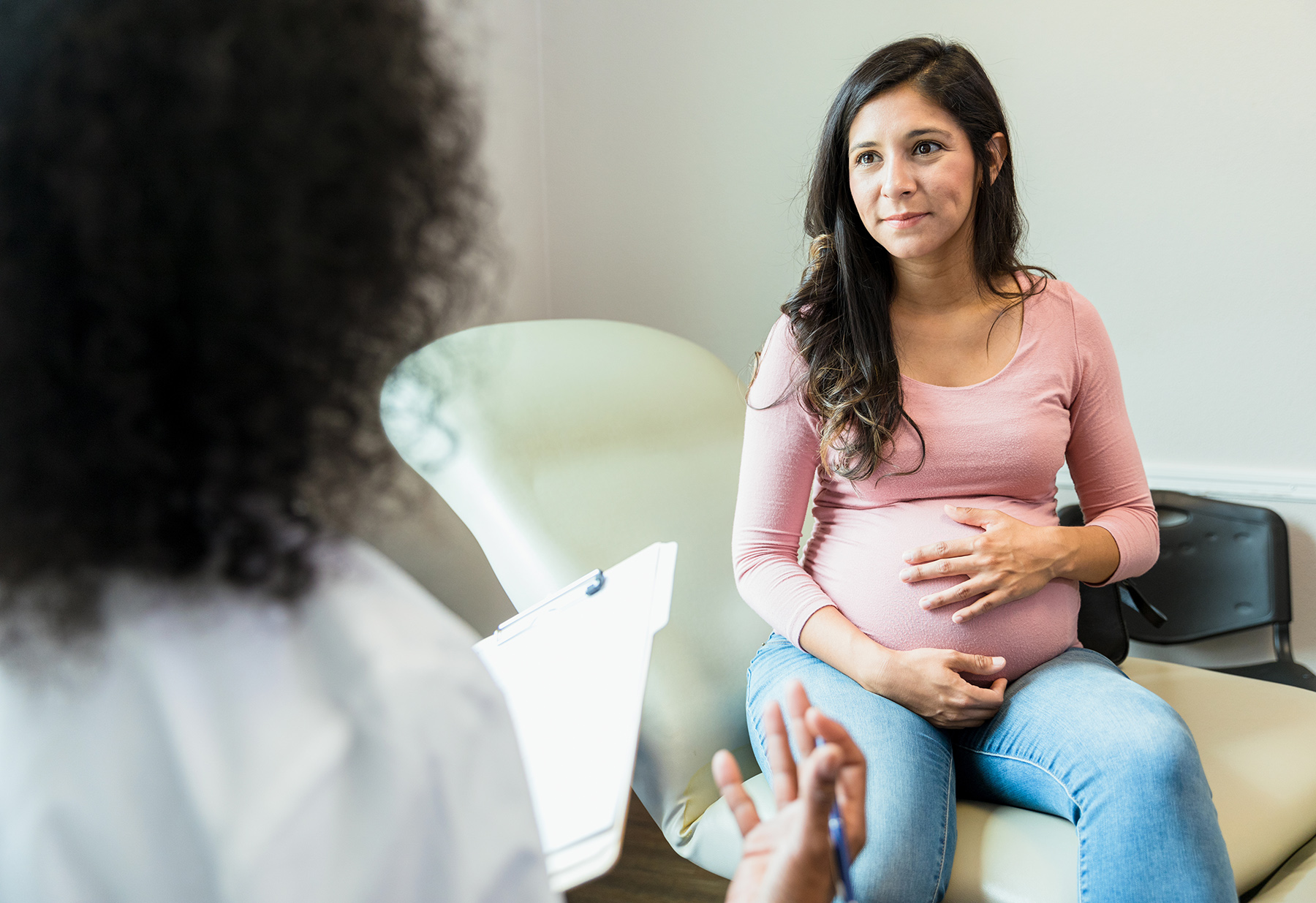

New immunizations guidelines for pregnant women help protect moms and babies from common preventable diseases
SALT LAKE CITY, UT (PRUnderground) August 30th, 2026
The American College of Obstetricians and Gynecologists provide Immunization Guidelines for pregnant women to help clarify which vaccines and immunizations are recommended during pregnancy.
The recommended schedule of immunizations includes evidence-based information for providers and patients to discuss the timing of immunizations, and which ones are recommended before getting pregnant or are safe to receive during pregnancy.
“It’s important to be up to date on your vaccination regimen before getting pregnant since some vaccines are not recommended during pregnancy but are very important to protect mother and baby,” said Dr. Erin Clark, senior medical director for women’s health at Intermountain Health.
The new schedule is also backed by 13 other medical and health organizations including the National Association of Nurse Practitioners in Women’s Health, the American College of Nurse-Midwives, the American Academy of Pediatrics, and the American Academy of Family Physicians.
Populations that are especially vulnerable to communicable diseases include people who are pregnant, and the babies they are carrying.
“The vaccines for measles, mumps and rubella, or MMR, and varicella, or chicken pox, are recommended before getting pregnant. These vaccinations aren’t given during pregnancy, but completing the vaccinations prior to pregnancy is very important since the infections they prevent carry serious risks to the fetus and mother,” said Dr. Clark.
The guidelines focus on vaccines that offer the most protection during pregnancy and early infancy and also helps providers recommend other vaccines based on their patient’s medical history.
Four immunizations routinely recommended during pregnancy
-
– Influenza (flu)
– COVID-19
– Respiratory Syncytial Virus (RSV)
– Tetanus, Diphtheria, and Pertussis combined vaccine (Tdap)
All of these vaccines protect against respiratory infections that can be dangerous for newborns and can cause severe illness and require hospitalization. Tragically, some infants die each year from these infections. Influenza, COVID-19 and RSV infections are caused by viruses, while Pertussis (whooping cough) is caused by bacteria.
“Women who are pregnant or recently postpartum have an increased risk of getting very sick or needing to be hospitalized if they contract the flu or COVID-19. And if pregnant women are very sick, their fetuses are also in jeopardy. For this reason, we recommend seasonal vaccination for influenza and COVID-19. These vaccines can be given at any time during pregnancy and are protective for mom and baby,” said Dr. Clark.
According to women’s health and newborn experts, babies can receive disease protection from their mom during pregnancy. Newborns do not yet have fully developed immune systems, making them particularly vulnerable to infections. Getting vaccines and immunizations during pregnancy helps the mom’s body create antibodies that are passed through the placenta to the growing baby. These antibodies will help protect babies during those first few, vulnerable months of life.
Influenza and COVID-19 vaccinations can be given any trimester during pregnancy
The influenza vaccine is important to protect both mom and the baby from the flu. It can be given anytime throughout the pregnancy to make sure mom is protected and the recommendation is to give it as soon as it is available each flu season to ensure the best protection.
It’s also recommended that the latest COVID -19 vaccine formulation be given as soon as it is available. The COVID vaccine is also important to protect both the mom and the baby from serious illness from COVID-19.
The vaccine for whooping cough (Tdap) and the vaccination for RSV are recommended in the third trimester of pregnancy.
-
– The pertussis vaccine or Tdap is given to pregnant women primarily to protect the newborn infant from pertussis or whooping cough. It’s recommended to be given between 27 and 36 weeks of pregnancy. This vaccine is purposefully timed for later in pregnancy for the best baby protection.
-
– Vaccination with Tdap is recommended during each and every pregnancy to protect the baby
We protect newborns from RSV through maternal vaccination or neonatal antibody treatment. RSV infections put babies at risk for severe illness, hospitalization, and even death. Unlike the Tdap vaccination, the RSV vaccine (Abyrsvo) is recommended to be administered only in one pregnancy. If a patient has received the RSV vaccination in a prior pregnancy, RSV monoclonal infant immunization is available to protect the newborn infant against respiratory syncytial virus after delivery. The maternal RSV vaccine is recommended to be given between 32 and 36 weeks of pregnancy. So it’s important to make a plan with your OB-GYN provider about what RSV protection strategy is right for you.
-
– Eligible pregnant patients should be vaccinated for RSV from September through January if they are expected to deliver October through March, to provide protection for their baby throughout RSV season.
-
– Mothers of infants born outside RSV season may not need to be vaccinated, and the RSV monoclonal preventive immunization (nirsevimab) will be recommended for these infants.
The new guidelines also address other immunizations for moms to discuss during their pre-pregnancy or prenatal visits that may be recommended before, during, or after pregnancy based on a patient’s medical history or any chronic conditions they may have.
For more information about prenatal care or to find an OB-GYN or certified midwife, visit the pregnancy and baby page at intermountainhealth.org