
U.S. Supreme Court Temporarily Revives Federal Citizenship Data System for Voter Rolls
The U.S. Supreme Court has temporarily revived a controversial federal data system, known as SAVE, used by the Department of Homeland Security to check the citizenship of individuals on state voter rolls. This system has been criticized for mistakenly flagging…
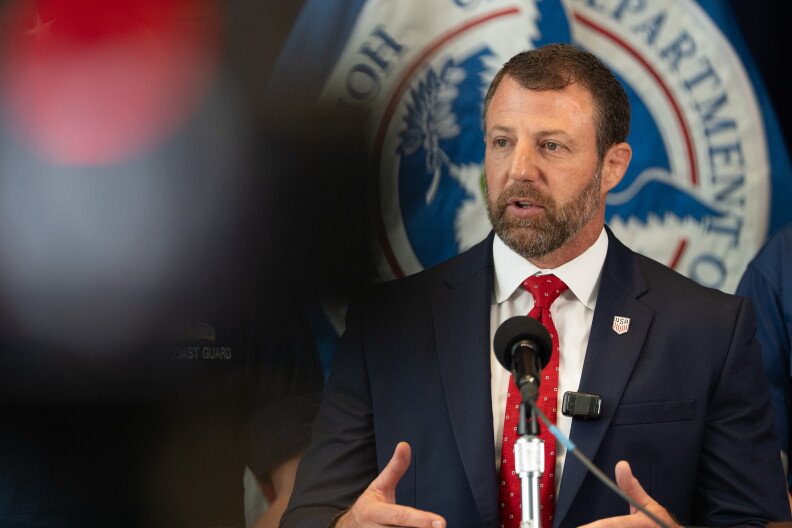
 San Diego, CA, September 25, 2026 —
The U.S. Supreme Court has issued a temporary order reviving a federal data system critical for verifying the citizenship status of individuals listed on state voter rolls. The system, known as SAVE (Systematic Alien Verification for Entitlements), is utilized by the Department of Homeland Security (DHS).
The court’s intervention allows the administration to resume its efforts to identify noncitizens registered to vote and to compile lists of adult citizens. This move comes as election periods approach, underscoring the system’s role in ongoing election integrity initiatives.
SAVE has faced significant criticism, particularly concerning its accuracy. Reports indicate that the system has mistakenly flagged eligible U.S. citizens as noncitizens, raising concerns about potential disenfranchisement of voters. The exact number of individuals who may have been erroneously flagged or the specific mechanisms addressing these concerns were not detailed in the information available.
The temporary revival of the SAVE system by the Supreme Court means that the Department of Homeland Security can continue to use its data to cross-reference citizenship information against state voter registration databases. This process is intended to help maintain accurate voter rolls by identifying individuals whose immigration status might prevent them from legally voting.
The controversy surrounding SAVE highlights the complex challenges in balancing election security with voter access. Critics have voiced apprehension that the system’s potential for errors could lead to the improper removal of legitimate voters from registration lists. The administration, conversely, asserts the necessity of such tools for ensuring that only eligible citizens participate in elections.
Further details regarding the duration of the temporary revival, specific legal challenges that led to the Supreme Court’s involvement, or any new protocols implemented to mitigate previous errors were not provided. The outcome of any ongoing legal disputes or future policy adjustments concerning the SAVE system remain to be seen.
Story summarized from the original created by Jude Joffe-Block on www.kpbs.org, see more information here.
Media gallery
