
New Report Shows CSU Pay Comparable Nationally, But Many Earn Below Average
A new compensation report for the California State University (CSU) system indicates that while overall faculty and staff pay is comparable to national averages for public universities, a significant portion of workers earn below the average, particularly in high-cost regions…
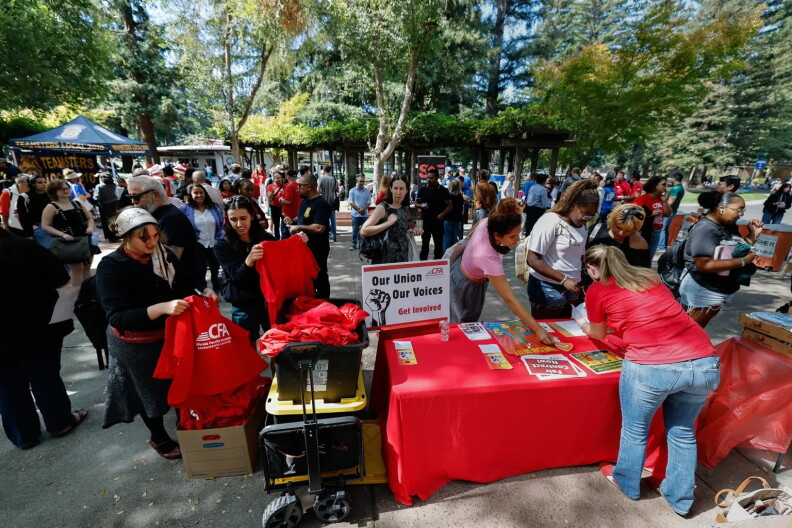
 San Diego, CA, September 25, 2026 —
A recent compensation report analyzing the California State University (CSU) system has revealed a complex pay landscape for its faculty and staff. The report indicates that, on average, compensation within the CSU system aligns with national benchmarks for public universities. However, this overall comparison masks a notable disparity: a significant percentage of individual workers within the system earn less than the stated average.
This trend is particularly pronounced in regions with a high cost of living. The report highlights areas such as the Bay Area as examples where a larger portion of CSU employees fall below the compensation average, presumably due to elevated living expenses.
The findings of this report have become a focal point in the ongoing and contentious contract negotiations between the CSU and its various employee unions. Unions representing CSU faculty and staff are advocating for substantial salary increases. They argue that current compensation is insufficient, especially when considering California’s high cost of living, and are seeking raises that exceed the increases proposed by the university system. The report’s data on below-average earners in costly regions provides critical context for these demands.
Specific details regarding the exact percentage of workers earning below the average, the precise national averages used for comparison, or the specific figures proposed by CSU and its unions in the contract negotiations were not provided in the summary. Similarly, the timeline for the contract negotiations and any potential resolutions remains unstated.
The disparity between average compensation and the earnings of a significant segment of employees, especially in economically demanding areas, underscores the challenges faced by both the university system and its workforce during these critical labor discussions. The report’s findings are expected to influence the direction and outcomes of the current contract talks.
Story summarized from the original created by Mikhail Zinshteyn on www.kpbs.org, see more information here.
Media gallery

